
Is chaplain certification online recognized by employers?
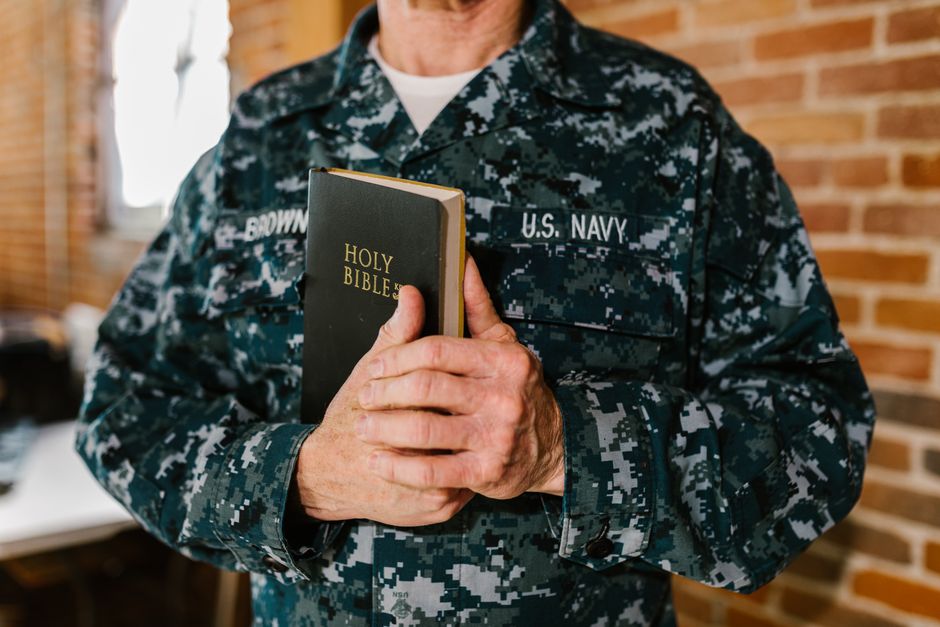
Chaplain certification online can provide useful coursework, but a course-completion certificate alone does not establish professional certification or guarantee an employer will accept it. Check the requirements of the certifying organization and the employer you are targeting, especially whether your supervised Clinical Pastoral Education (CPE) qualifies and whether you meet separate education, endorsement, experience, and competency requirements.
Is an online chaplain certification recognized by hospitals or employers?
Recognition depends on what the credential represents and what the employer requires. A certificate showing that you completed a course is not the same as a professional chaplain credential, and neither automatically establishes that you qualify for a particular job.
The Board of Chaplaincy Certification, Inc. (BCCI) describes Board Certified Chaplain (BCC) as a professional credential awarded after an applicant meets its requirements and demonstrates competence before a committee of peers. Its requirements include 72 graduate semester hours, current endorsement or acceptable faith-tradition documentation, four CPE units, at least 2,000 hours of chaplain work or volunteer experience after completing the required CPE, and demonstrated professional competence. A course-completion certificate is not described as an equivalent credential.
That distinction gives you three separate checks: what the online course awards, what the certifying organization awards, and what an employer accepts for its vacancy. A hospital may have its own hiring criteria; the sources here do not establish a single rule used by all hospitals. Ask the employer directly: “Does this role require BCC or another credential, and which CPE providers do you accept?” For a broader explanation of the credential path, see Can chaplain certification online qualify you for board certification?
Military chaplain appointment is a separate track. The Department of Defense instruction requires an ecclesiastical endorsement documented through DD Form 2088, a baccalaureate degree with at least 120 semester hours, and a post-baccalaureate graduate degree in theological or related studies with at least 72 graduate semester hours. Active-component appointment also requires at least two years of religious ministry experience, as defined by the relevant Military Department. An online course certificate does not replace those appointment requirements. Check the applicable service’s current rules and the endorsing organization’s requirements.
Can I complete the training and CPE entirely online?
You may be able to complete some instruction using online or videoconferencing formats, but “online” does not mean that CPE is only coursework. ACPE describes CPE as actual ministry practice with people, detailed reporting and evaluation, pastoral supervision, peer learning, and an individual learning contract, conducted under an ACPE Certified Educator at an ACPE-accredited CPE center.
ACPE says some centers use videoconferencing, while modalities vary by program. It directs prospective students to contact the center and use the directory’s “Online Options” filter. The practical distinction is between remote learning activities and the clinical ministry experience the unit is meant to include. Ask how students engage in ministry practice, how supervision and peer learning work, and how the program documents the hours and learning.
There is no single timeline for every format. ACPE says a typical unit lasts 10–12 weeks; year-long options commonly comprise three to four consecutive units, and part-time options may be available. Those timing details help with planning, but they do not confirm that a particular unit will count toward the certification you want. ACPE advises people seeking chaplain certification to contact certifying organizations directly about specific CPE prerequisites.
How can I check whether a program's CPE is accepted by the certifying organization I want to apply to?
Check the provider and the specific units with the certifying organization before you enroll. A program’s own description of its training is not proof that another organization will accept its CPE for certification.
BCCI accepts CPE units accredited by NACC or CASC, or from a BCCI-approved CPE provider. Its listed approved providers include ACPE, CCC, CPEI, CPSP, and ICPT. For the latter four listed providers, units must have been granted after January 1, 2024, or go through BCCI’s equivalency process. Because provider status and unit dates can affect eligibility, ask BCCI about the exact provider and units you plan to complete.
BCCI’s recognition criteria also show why labels are not enough. It reviews provider materials against ten criteria, with BCCI staff and a panel of certified chaplains involved in the review. Recognized providers must require at least 400 hours per unit, including at least 50% clinical hours and at least 25% classroom hours, and each student must be supervised by a fully certified educator. The criteria also require programs to address current BCC competencies. BCCI cautions that approval of a provider does not guarantee that an individual applicant will be approved for certification.
- Name your target credential. Tell the certifying organization whether you are applying for BCC or another credential, rather than asking whether a course is “recognized” in general.
- Identify the exact CPE. Provide the program and provider name, the unit type, and when the units will be granted. Ask whether those units meet the organization’s current requirements.
- Confirm the clinical component. Ask the provider how supervised ministry practice, clinical and classroom hours, educator oversight, and evaluations are arranged and recorded.
- Check the employer separately. Ask a prospective employer which credentials and experience it requires for the role. Employer acceptance and certifying-body eligibility are related checks, not interchangeable ones.
- Keep written answers. Save the program’s description and replies from the certifying organization and employer. If an answer is unclear, ask the organization to confirm eligibility for the specific units before you pay.
This sequence is useful across settings, but the endpoint differs. For hospital work, verify the credential and hiring criteria for the position. For military service, check the applicable Department of Defense and service appointment rules, along with endorsement requirements. For volunteer chaplaincy, distinguish the organization’s role requirements from the requirements for a professional credential; BCCI’s listed experience criterion, for example, includes chaplain work or volunteer experience after the required CPE.
Frequently Asked Questions
Does an online certificate qualify me to become a board-certified chaplain?
No. A course-completion certificate is not described as equivalent to BCCI’s Board Certified Chaplain credential. BCCI requires applicants to meet its education, endorsement, CPE, experience, and competence requirements, including evaluation by a committee of peers.
What education, endorsement, and supervised clinical experience are still required?
For BCCI Board Certified Chaplain requirements, the listed criteria include 72 graduate semester hours, current endorsement or acceptable faith-tradition documentation, four accepted CPE units, at least 2,000 hours of chaplain work or volunteer experience after the required CPE, and demonstrated professional competence. Military appointment has separate DoD requirements, including a baccalaureate degree, a post-baccalaureate graduate degree with at least 72 graduate semester hours, and an ecclesiastical endorsement.
What should I verify before paying for an online chaplain certification course?
Ask the certifying organization whether it accepts the specific CPE provider and units, and ask the course provider how supervised clinical ministry is delivered and documented. Confirm with prospective employers whether the credential and experience fit the role, and get key answers in writing before enrolling.
Sources
- Board of Chaplaincy Certification, Inc. (BCCI), Requirements and Definitions for Board Certified & Associate Certified Chaplains
- Association for Clinical Pastoral Education (ACPE), Frequently Asked Questions
- BCCI, Criteria for Recognition as a Provider of Clinical Pastoral Education
- U.S. Department of Defense, DoD Instruction 1304.28, The Appointment and Service of Chaplains
Related guides
Can chaplain certification online qualify you for board certification?
Online chaplain coursework alone does not qualify you for board certification; eligibility depends on education, accepted CPE, experience, and endorsement.

How Do You Choose Long Sleeve Formal Dresses for Weddings?
Choose long sleeve formal dresses for weddings by matching the invitation, season, venue, fabric, length, and comfort needs.

Can I Take Protein Powder or Creatine With Chronic Kidney Disease?
Learn how to count protein powder, check supplement minerals, and understand how creatine can affect creatinine and eGFR results with CKD.