
How Do I Choose Outdoor Tents for Events?
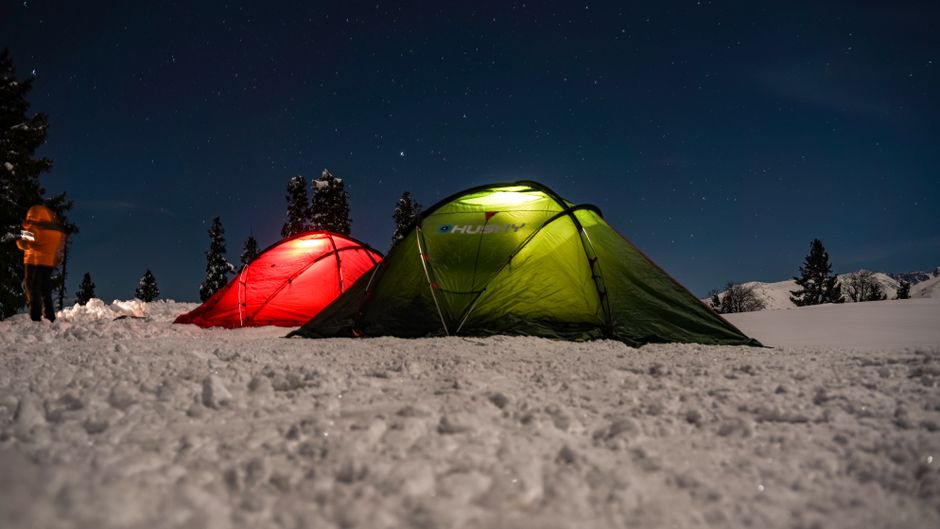
Choose outdoor tents for events by matching usable tent area to your guest count, seating layout, and features, then check the site, anchoring plan, weather limits, and local permit rules. Ask the rental provider to confirm the tent’s documented capacities and wind guidance, setup and strike times, delivery access, insurance, fees, cancellation terms, and what equipment is included.
What size tent do I need for my event and guest count?
Estimate tent size by multiplying the guest count by a planning allowance for the way people will use the space. The University of Kentucky’s Tent Capacity Chart uses 7 square feet per person for standing, 8 for bistro tables, 10 for lecture seating, and 15 for banquet seating. These are planning allowances, not a guarantee that every layout will fit comfortably.
Use this sequence before requesting quotes: settle on the likely layout, multiply its allowance by the number of guests, then add the footprint of event features. For example, 100 guests in banquet seating require a starting estimate of 1,500 square feet using the chart’s 15-square-foot allowance. That figure is a baseline; aisles, entrances, service routes, and the exact table arrangement can affect the workable layout.
The same University of Kentucky chart lists a 30-by-60-foot tent, or 1,800 square feet, for 120 people in banquet layout before adding event features. Treat that as a useful comparison point, not a promise that a quoted tent will suit your floor plan. Ask the provider to show how the capacity was calculated and whether the quoted area is the full footprint or the area available for guests.
How much extra space should I allow for tables, a dance floor, a stage, or a buffet?
Add dedicated space for event features after estimating guest seating; otherwise the guest count can consume the area those features need. The University of Kentucky chart recommends adding 100 square feet for a buffet table, 50 square feet for a DJ, 15 square feet per person for a stage, and 4 square feet per person for a dance floor.
Put the calculations in a simple planning table, then ask the rental provider to check the combined layout. These figures come from a university planning chart; they help build an estimate, but they do not replace a site-specific floor plan.
| Use | Planning allowance | How to apply it |
|---|---|---|
| Standing guests | 7 sq. ft. per person | Multiply the guest count by 7 |
| Bistro tables | 8 sq. ft. per person | Multiply the guest count by 8 |
| Lecture seating | 10 sq. ft. per person | Multiply the guest count by 10 |
| Banquet seating | 15 sq. ft. per person | Multiply the guest count by 15 |
| Buffet table | 100 sq. ft. | Add to the guest-area estimate |
| DJ | 50 sq. ft. | Add to the guest-area estimate |
| Stage | 15 sq. ft. per person | Multiply by the number of people on stage |
| Dance floor | 4 sq. ft. per person | Multiply by the planned dance-floor capacity |
For a practical quote request, send the vendor your guest count, seating style, feature list, and a rough site diagram. Ask for a proposed layout that shows tables, aisles, buffet service, entrances, and any stage or dance floor. That makes it easier to compare quotes on usable space rather than tent dimensions alone.
Do I need a permit or fire inspection for an event tent?
Permit and inspection requirements depend on the event location, tent size, setup, and other activities, so confirm the rules with the local fire department or permitting authority before signing. The Seattle Fire Department requires an outdoor tent permit for tents over 400 square feet and specifies application documents including a plot plan, interior floor plan, flame-retardancy certification, and structural-stability letter. Seattle’s page also notes that some events may need an assembly or special-event permit, and that propane, open-flame food preparation, or non-electric heaters can trigger additional local rules.
Local exceptions and deadlines are not interchangeable. Seattle’s application and fee must arrive at least 30 calendar days before the event to avoid a late fee, according to the Seattle Fire Department’s current page. Sacramento Metropolitan Fire District’s 2026 handout says tents and membrane structures over 400 square feet generally require a permit, subject to listed exceptions for certain open-sided tents, and calls for required documents, application, and fees at least two weeks ahead. The handout notes a $165 expedited fee for later submissions. Those are jurisdiction-specific details, not nationwide standards.
Before booking, contact the authority responsible for the venue address and ask what applies to your exact tent plan. Give them the tent area, number of tents, open- or closed-sided design, event type, cooking or heating equipment, and proposed placement. Ask whether the authority requires a permit, fire inspection, site or floor plan, flame-retardancy documents, structural information, or an assembly approval—and record the submission deadline and fee rules they provide.
For the site itself, have the installer check soil condition, available perimeter anchoring space, delivery access, overhead hazards, and underground utilities. American Tent’s setup guide advises contacting 811 at least three working days before staking and warns that saturated soil can reduce stake holding power. It also says rainwater ponding can damage fabric, the tent is not designed to carry snow load, and occupants should leave during lightning. Confirm how the rental provider will assess and manage those conditions for its particular tent.
Frequently Asked Questions
How are event tents safely anchored on grass, pavement, or concrete?
The anchoring method depends on the surface and the tent system, so ask the installer to identify the planned method for your exact site. Confirm soil condition, space around the tent, underground utilities, and any weights or other equipment required; do not assume a method used on grass will work on pavement or concrete.
What wind or weather conditions mean an event tent should not be used?
Follow the manufacturer’s written limits for the specific tent and the rental provider’s evacuation procedure. American Tent’s guide for one frame tent recommends setup or removal below 15 mph and evacuation if forecast six-second gusts exceed 38 mph; those are product-specific figures, not universal tent ratings. Ask how the provider handles lightning, heavy rain, ponding, saturated soil, and snow.
What should I ask a tent rental company before signing a contract?
Ask for the tent dimensions and capacity assumptions, site and anchoring requirements, delivery access, setup and strike times, included equipment, insurance documentation, all fees, deposit, and cancellation policy. Request a site schematic and written confirmation of delivery and strike times, and clarify who is responsible for equipment after delivery.
Use a written checklist so the operational details do not disappear into a verbal quote. The University of Houston Bauer College of Business catering worksheet recommends confirming cancellation terms, deposit, insurance certificate, setup and strike times, and total cost; it also prompts organizers to request a site schematic and confirm delivery times and whether the vendor sets up equipment or only drops it off. Ask whether the stated total can change and who is liable for breakage or loss after delivery.
- Access: What vehicle access, unloading area, and clear route does the crew need?
- Timing: What are the delivery, setup, event, and strike windows, and are they written into the order?
- Included items: Are walls, flooring, lighting, tables, weights, or other requested items included, separately priced, or unavailable?
- Costs and risk: What deposit, delivery charges, insurance documents, damage or loss terms, and cancellation rules apply?
- Weather plan: Who monitors conditions, who can order evacuation, and what happens to the equipment if the event is stopped?
Ask the provider to reply against the checklist in writing and attach the site schematic to the agreement. Then compare vendors using the same guest layout, equipment list, timing, and weather questions. That makes differences visible before a deposit is paid.
Sources
- University of Kentucky — Tent Capacity Chart
- Seattle Fire Department — Tents & Flameproofing
- Sacramento Metropolitan Fire District — Carnivals, Fairs, Special Events & Temporary Membrane Structures
- American Tent — 30’×60’ Frame Tent Safety & Set Up Guide
- University of Houston Bauer College of Business — Catering Worksheet
Disclaimer: This article is for general information only and is not legal advice. Laws differ by jurisdiction and change over time. Consult a qualified lawyer about your own situation before acting on anything you read here.
Related guides

How Do I Choose Innovative Sustainable Packaging?
Choose innovative sustainable packaging by matching protection needs to local disposal options, total cost, and operational fit.

How Do You Choose a Long Sleeve Dress for a Winter Wedding Guest?
Choose a long sleeve winter wedding guest dress by dress code, then plan warm layers and venue-ready footwear.
How Do You Choose Long Sleeve Formal Dresses for Weddings?
Choose long sleeve formal dresses for weddings by matching the invitation, season, venue, fabric, length, and comfort needs.

Can I Take Protein Powder or Creatine With Chronic Kidney Disease?
Learn how to count protein powder, check supplement minerals, and understand how creatine can affect creatinine and eGFR results with CKD.