
What Are the Worst Foods to Eat if You Have AFib?
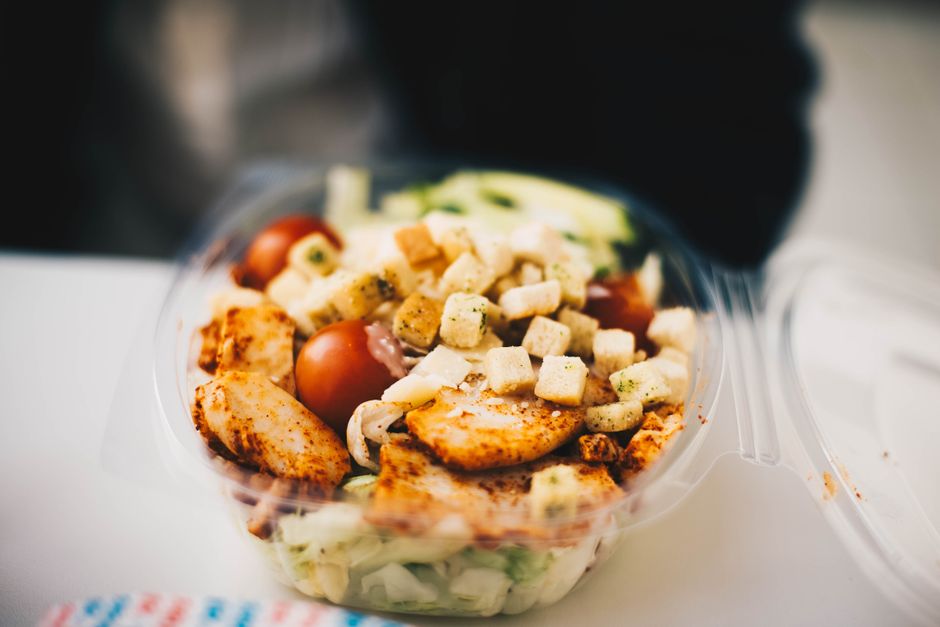
There is no single food proven to trigger AFib in everyone. Alcohol has the clearest evidence as a possible personal trigger; ordinary coffee does not need to be avoided by all people with AFib. Track what you eat and drink alongside symptoms, then discuss patterns with your clinician. A heart-healthy, lower-sodium eating pattern can still be sensible even when a food is not a proven episode trigger.
What are the worst foods to eat if you have AFib?
There is no established universal “worst food” list for AFib; alcohol is the clearest beverage trigger in the evidence, while the evidence on caffeine and salt does not support treating them as triggers for everyone. That distinction matters: symptom triggers are personal, while heart-healthy eating is a broader goal.
The 2024 American College of Cardiology summary of a systematic review reports no definitive evidence for a particular diet to lower new-onset AFib risk, and no randomized trials testing dietary patterns for new-onset, postoperative, or recurrent AFib. It found caffeine or coffee was not clearly associated with AFib risk, salt evidence was inconclusive, and high intake of ultra-processed foods may be associated with new-onset AFib. These findings do not prove that a specific meal will trigger symptoms in an individual.
For sodium, focus on practical swaps rather than trying to diagnose an episode from one salty meal. The American Heart Association reports that more than 70% of dietary sodium comes from prepared, packaged, and restaurant foods. Compare labels, choose no-salt-added canned vegetables or unsauced frozen vegetables, and season with herbs, spices, citrus, or vinegar. Rinsing canned beans and vegetables can reduce sodium by up to 40%, according to the AHA. Potassium-based salt substitutes may not suit people with certain conditions or medications, so discuss them with a health care professional.
Keep two questions separate: “Does this reliably coincide with my symptoms?” and “Does this fit the eating pattern my clinician recommends?” One is personal tracking; the other is overall health guidance. Neither question can be answered by assuming that every person with AFib reacts the same way.
Can alcohol trigger an AFib episode?
Yes. Alcohol has the strongest evidence among common food-and-drink suspects as a possible AFib trigger, although the size of the effect varies between people. The 2023 ACC/AHA/ACCP/HRS guideline reports that a case-crossover study found a higher risk of an AF episode in the hours after objectively confirmed alcohol consumption.
The same guideline says alcohol abstinence or reducing intake to no more than 3 standard drinks per week has been associated with reduced AF symptoms, burden, and progression. That figure is a guideline-reported finding, not a personalized prescription; discuss what it means for you with your clinician.
A randomized trial published in the New England Journal of Medicine in 2020 enrolled 140 adults with AF who drank at least 10 standard drinks per week. Over six months, participants assigned to abstinence reduced their intake by 87.5%, from a mean of 16.8 to 2.1 drinks per week. AF recurred in 53% of the abstinence group and 73% of the control group; the abstinence group also had a longer time to recurrence. This trial supports taking alcohol seriously as a possible trigger, but its participants were regular drinkers, so its results do not define every person’s response.
To check whether alcohol is relevant to your own symptoms, record the drink, amount, timing, and any symptoms. Do not rely on memory after the fact. Bring the record to your clinician and ask: “Could this pattern matter for my AFib, and what change would be reasonable to discuss?”
Do I have to stop drinking coffee if I have atrial fibrillation?
No general rule says everyone with AFib must stop ordinary coffee. The 2023 ACC/AHA/ACCP/HRS guideline says recommending caffeine abstention to prevent AF episodes offers no benefit overall, although reducing caffeine may help people who report that it triggers or worsens their symptoms.
Individualized evidence points in the same direction. In the I-STOP-AFib randomized trial, 446 people with symptomatic paroxysmal AF tested personally selected suspected triggers in alternating exposure and avoidance periods, with daily symptom reports and smartphone ECG monitoring. Alcohol exposure was associated with significantly higher AF risk across the individualized trials; other tested exposures, including caffeine, did not show evidence of commonly triggering AF. That does not rule out an individual response.
A separate randomized trial published in JAMA in 2025 studied 200 current or recent coffee drinkers with persistent AF after cardioversion. Over six months, AF or atrial flutter recurred in 47% assigned to caffeinated coffee and 64% assigned to abstinence; the coffee group had a 39% lower hazard of recurrence. The finding applies to the study population and ordinary coffee consumption. The authors cautioned against extending it to high-dose caffeine or energy drinks.
If you suspect coffee affects your symptoms, track the type and amount you consume, when you drink it, and when symptoms occur. Discuss the pattern before making a major diet change. A clean record helps separate a repeatable personal signal from coincidence.
How can you identify a personal food or drink trigger?
Use a short, consistent record. The American Heart Association’s AFib Food Diary prompts people to note meals, foods and beverages, amounts, and observations about possible links with AFib. The AHA advises discussing trends or questions with a health care professional.
- Record the exposure. Write down what you ate or drank, the amount, and when. Include coffee, alcohol, packaged or restaurant food, and other suspected items.
- Record what happened. Note symptoms and their timing, along with enough context to compare days. Do not label an item a trigger after one episode.
- Look for a repeatable pattern. Check whether the same suspected item is followed by symptoms more than once, and whether symptoms also occur when you do not have it.
- Discuss a cautious test. Ask your clinician whether changing one suspected exposure at a time makes sense for your situation. Keep other parts of your routine as consistent as practical so the comparison is easier to interpret.
The aim is not to build a longer list of forbidden foods. It is to find a useful signal and make a proportionate decision with clinical input. Ask directly: “What should I track, and how should I interpret symptoms if they happen again?”
Frequently Asked Questions
Are energy drinks more risky than coffee for AFib?
They are not equivalent: ordinary coffee intake has not been shown to be a general AFib trigger, while case reports link excessive caffeine, including highly caffeinated energy drinks, with AFib. The coffee trial findings should not be extrapolated to energy drinks or high-dose caffeine.
Can salty or processed foods affect AFib symptoms?
Evidence does not establish salt or a specific processed food as a universal AFib symptom trigger. A review summarized by the American College of Cardiology found salt evidence inconclusive, while high ultra-processed-food intake may be associated with new-onset AFib. Lower-sodium choices can support a heart-healthy pattern, but a diary helps distinguish general diet goals from a personal symptom pattern.
Sources
- 2023 ACC/AHA/ACCP/HRS Guideline for the Diagnosis and Management of Atrial Fibrillation
- Alcohol Abstinence in Drinkers with Atrial Fibrillation, New England Journal of Medicine
- Individualized Studies of Triggers of Paroxysmal Atrial Fibrillation: The I-STOP-AFib Randomized Clinical Trial, JAMA Cardiology
- Caffeinated Coffee Consumption or Abstinence to Reduce Atrial Fibrillation: The DECAF Randomized Clinical Trial, JAMA
- Systematic Review on Diet and Risk of AF: Key Points, American College of Cardiology
- How to Reduce Sodium in Your Diet, American Heart Association
- AFib Food Diary, American Heart Association
Disclaimer: This article is for general information only and is not medical advice. It is not a substitute for diagnosis or treatment by a qualified healthcare professional. Always speak to your doctor before acting on anything you read here.
Related guides
Is It Worth Eating Raw Honey Every Day?
Raw honey still counts as added sugar. See daily limits, how raw compares with regular honey, and who should avoid it.
Can I Take Protein Powder or Creatine With Chronic Kidney Disease?
Learn how to count protein powder, check supplement minerals, and understand how creatine can affect creatinine and eGFR results with CKD.