
Black Bridesmaid Dresses With Sleeves: Find the Right Fit
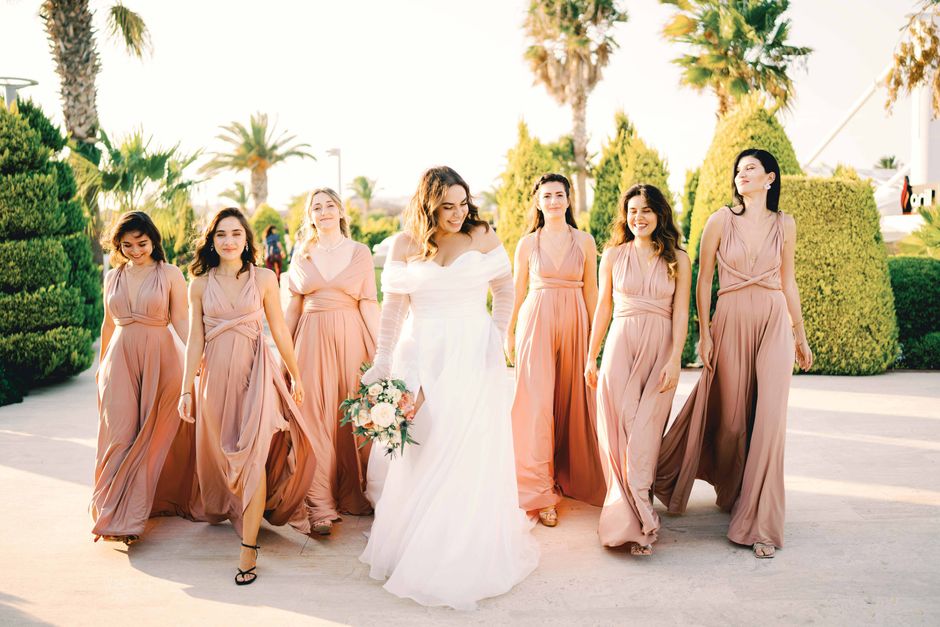
Black bridesmaid dresses with sleeves work best when sleeve shape, fit, fabric, and formality are chosen together. Compare cap, short, three-quarter, lace, and long sleeves by coverage and movement; check armholes and sleeve ease against the garment measurements; then match fabric weight and texture to the season and dress design.
What styles of black bridesmaid dresses with sleeves are available?
Available looks range from short cap sleeves to long sleeves, with lace as a fabric treatment that can change the look without changing the sleeve’s basic construction. Cap and short sleeves offer less coverage; three-quarter and long sleeves cover more of the arm. The choice also changes how much movement the sleeve permits.
The University of Kentucky Cooperative Extension’s sleeve guide groups sleeves by construction: set-in, raglan, and kimono. Set-in sleeves include shorter cap and action or T-shirt variations. For a classic set-in sleeve, the guide reports about 1½–2 inches of sleeve-cap ease; a shorter casual cap uses about ¾–1 inch, while an action or T-shirt sleeve uses about ½–¾ inch. These are construction details, not a universal shopping size chart.
A shorter, less-fitted cap permits more movement than a classic higher cap. Close-fitting kimono sleeves can need a gusset for comfort and flexibility. For a bridal party, choose a shared feature—such as sleeve length, neckline, or fabric texture—then let individual dress details vary within that frame. That keeps the group visually coordinated without requiring every silhouette to be identical.
Fabric and construction should be considered together. Texas A&M AgriLife Extension’s clothing quality standards recommend matching fabric weight and drape to the garment design and coordinating fabrics by weight and texture. A lace sleeve can add texture and formality, but the source does not rank lace by heat or comfort; those depend on fabric structure and finish as well as fiber.
Are long-sleeve black bridesmaid dresses comfortable for a summer wedding?
Long sleeves can be comfortable in summer when the fabric’s breathability, weight, and finish suit the setting, but sleeve length alone cannot establish comfort. A close, heavy sleeve can restrict movement or retain warmth; a lighter construction can provide coverage with less bulk. The sources do not supply temperature thresholds or rank specific dress fabrics for summer.
South Dakota State University Extension’s Fabrics for Today’s Consumer treats breathability, lightweight feel, non-irritation, and thermal comfort as separate qualities. Fiber content is a useful starting point because textile labels list generic fiber names in order of predominance. It is not a complete comfort test: yarn structure, fabric structure, and finishing also affect how cloth feels and performs.
For a warm-season wedding, compare the actual fabric label and construction details rather than choosing by fiber name alone. Look for information on fabric weight and drape, and check whether the lining adds another layer. The cited guidance does not identify particular retailers’ dress fabrics or provide product-specific comfort testing, so those details must come from the garment listing or seller.
For colder weather, greater coverage and a fabric weight suited to the design can make sense. For any season, assess comfort in motion. A dress that feels acceptable while standing still can pull at the armhole or bind under the arm when the wearer bends, walks, or sits.
Which sleeve fabrics are least likely to feel hot or itchy?
No fiber name alone guarantees a cool or non-irritating sleeve; fabric structure, yarn, and finish also matter. South Dakota State University Extension identifies breathability, lightness, non-irritation, and warmth or coolness as distinct comfort factors. It also cautions that fiber content is only one influence on fabric comfort.
Use the garment label as a first screen, then compare the fabric’s described weight, texture, lining, and construction. A sheer-looking sleeve is not proof of breathability, and a named fiber is not proof that the finished fabric will feel smooth. If a dress listing lacks those details, the available sources do not let a reader verify how that particular sleeve will feel.
Fit adds another layer. The University of Nebraska–Lincoln Extension’s garment-fit guide defines ease as the difference between body and garment measurements. Too little ease constricts; too much creates fullness. It advises checking that the armhole curves smoothly where arm meets body, without nearby pulls or wrinkles, and that sleeves hang without pulls or extra folds.
Use a practical fitting sequence. First compare body measurements with the seller’s garment chart and note the ease the dress permits. Next check the armhole for gaping or strain and the underarm for binding. Then bend the elbow, raise and lower the arms, and assess the dress while sitting, standing, and walking. The Nebraska guide notes that elbow darts or ease can support comfort when bending; Texas A&M likewise calls for underarm ease and sleeves without binding.
For online orders, review measurements and construction before purchase, then test arm movement at the fitting. These checks do not replace a tailor’s assessment, but they help distinguish a sleeve that simply feels unfamiliar from one that pulls, gaps, or blocks movement. Plan alterations around the specific fit issue rather than assuming a size change will solve every armhole or sleeve problem.
How should sleeve styles coordinate with the wedding season and formality?
Coordinate sleeves by balancing coverage, fabric weight, and the event’s level of formality. Long sleeves give more coverage; cap or short sleeves leave more of the arm uncovered; lace adds visible texture. A formal look can use a more structured fabric or a detailed sleeve, while a lighter design can suit a less formal or warmer-season setting. The cited sources do not prescribe wedding dress codes, so these are styling choices rather than rules.
Keep the bridal party cohesive through a small set of shared elements: black color, a common fabric weight or texture, and a compatible formality level. Sleeve lengths can vary if the materials and overall visual weight still relate. Texas A&M AgriLife’s quality guidance supports coordinating fabrics by weight and texture, which gives planners a practical basis for comparing dresses beyond color alone.
Accessories can reinforce that shared look without duplicating each dress. Agree on a consistent metal tone or a restrained approach to jewelry, then let neckline and sleeve details guide each person’s choices. Avoid crowding a lace or embellished sleeve with accessories that compete for attention. For clean, understated dress ideas beyond the bridal-party context, see Minimalist Wedding Dresses With Sleeves: Comfort Meets Clean Style.
Use this comparison as a screening guide. The research sources do not publish dress prices, retailer inventory, or product-specific size ranges, so those cells are marked accordingly.
| Option | Who it suits | Cost | Key limitation |
|---|---|---|---|
| Cap or short set-in sleeve | Wearers seeking less coverage; the Kentucky guide says a shorter, less-fitted cap permits more movement than a classic higher cap | not published | Less arm coverage; comfort still depends on fit and construction |
| Three-quarter sleeve | Wearers seeking more coverage than a short sleeve | not published | Source does not provide product-specific mobility or warmth comparisons |
| Lace sleeve | Wearers seeking added texture or a more detailed look | not published | Source does not establish lace’s breathability or irritation level |
| Long sleeve | Wearers seeking fuller arm coverage or a look suited to cooler conditions | not published | Comfort depends on fabric properties, ease, and construction |
| Close-fitting kimono sleeve | Wearers drawn to a sleeve integrated with the body of the garment | not published | Kentucky notes a close-fitting version can need a gusset for comfort and flexibility |
Frequently Asked Questions
How can I avoid tight armholes when ordering a bridesmaid dress online?
Compare your measurements with the seller’s garment measurements and review construction details, then try the dress on with arm movements as soon as it arrives. Check for pulling or wrinkles at the armhole, binding under the arm, and restricted movement while sitting, standing, and walking.
Do black bridesmaid dresses with sleeves work for a formal or winter wedding?
Yes. A longer sleeve or a more structured fabric can suit a formal look, while fabric weight and drape should fit the design and season. Coordinate fabric weight and texture across the bridal party so the dresses look related.
Where can I find black bridesmaid dresses with sleeves in plus sizes?
The cited sources do not list retailers or confirm plus-size inventory. Check each retailer’s size range, garment measurements, and alteration options, and compare those details with the wearer’s measurements before ordering.
Sources
- University of Kentucky Cooperative Extension — Sleeve Savvy: Types of Sleeves
- University of Nebraska–Lincoln Extension — The Fit of Your Garment
- Texas A&M AgriLife Extension — Clothing Quality Standards
- South Dakota State University Extension — Fabrics for Today’s Consumer
Disclaimer: This article is for general information only and is not medical advice. It is not a substitute for diagnosis or treatment by a qualified healthcare professional. Always speak to your doctor before acting on anything you read here.
Related guides

Minimalist Wedding Dresses With Sleeves: Comfort Meets Clean Style
Compare sleeve styles, fabric and fit to find a minimalist wedding dress with sleeves that suits your setting and lets you move comfortably.

How Do You Choose an Elegant Dress After 60?
Choose elegant dresses after 60 with practical advice on silhouettes, length, fabric, sleeves, fit, and versatility.

Can I Take Protein Powder or Creatine With Chronic Kidney Disease?
Learn how to count protein powder, check supplement minerals, and understand how creatine can affect creatinine and eGFR results with CKD.
What Are the Worst Foods to Eat if You Have AFib?
Learn what evidence says about alcohol, coffee, sodium, and AFib—and how to track personal food and drink triggers without over-restricting.