
Which Healthy Drinks Low in Sugar Taste Good?
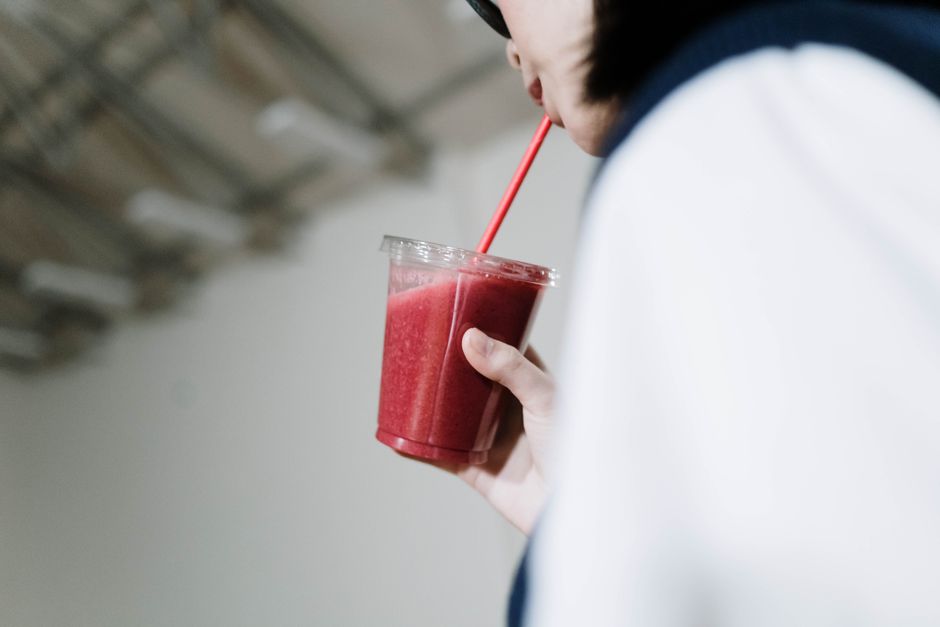
Healthy drinks low in sugar include plain or sparkling water, fruit-infused water, and unsweetened tea or coffee. They add little or no sugar, and plain water and unsweetened tea have zero calories in a 12-ounce serving, according to the CDC. For bottled drinks, compare serving size, total sugars, and added sugars; juice, kombucha, and flavored waters are not automatically low-sugar.
What are healthy drinks that are low in sugar but still taste good?
Healthy drinks that are low in sugar and still taste good start with water, unsweetened tea, and plain coffee, then gain flavor from fruit, herbs, or bubbles. The CDC lists plain coffee or tea, sparkling water, seltzers, and flavored waters as low- or no-calorie choices.
For a fruit note without turning water into juice, add berries, citrus, or cucumber. The CDC suggests these additions as a way to flavor water. Sparkling water with a splash of 100% juice offers a fizzy option with less juice than a full glass. The splash matters: juice brings sugars and calories, even when it is 100% juice.
Unsweetened iced tea gives a more pronounced taste than water without added sugar. Coffee and tea can be served plain or adjusted with a small amount of milk or an unsweetened fortified milk alternative. The CDC describes these unsweetened milk options as sources of nutrients; sweetened versions can change the sugar comparison, so the product label still matters.
A quick comparison helps separate everyday choices from drinks that need closer label checks:
| Drink | Sugar and calories | What to know |
|---|---|---|
| Plain water | No calories | Neutral taste; add citrus, berries, or cucumber for flavor. |
| Unsweetened tea | 0 teaspoons of sugar and 0 calories per 12 ounces, according to CDC | Serve chilled or hot; check bottled tea for added sweeteners. |
| Regular soda | About 10 teaspoons of sugar and 155 calories per 12 ounces, according to CDC | A useful comparison point when choosing a replacement. |
| 100% fruit juice | Contains sugars and calories | CDC says limited amounts can provide nutrients, but juice still counts toward calorie limits. |
| Flavored water or kombucha | Varies by product | Read the nutrition facts and ingredient list rather than assuming it is low in sugar. |
What can I drink instead of soda that has less sugar?
To replace soda with less sugar, choose sparkling water or seltzer, unsweetened tea, or sparkling water with a small splash of 100% juice. These swaps preserve some of soda’s fizz or flavor while avoiding the sugar load of a regular soda. According to the CDC, a 12-ounce regular soda contains more than 10 teaspoons, or about 42 grams, of added sugar.
The difference is substantial. The CDC estimates that replacing two regular sodas a day would reduce intake by about 2,100 calories per week. That is a comparison based on the CDC’s soda example, not a promise of a particular health outcome. The same source gives plain water and unsweetened tea as zero-sugar, zero-calorie choices per 12-ounce serving.
Taste is often the sticking point. If plain water feels like too sharp a change from soda, try bubbles first. A squeeze or splash of juice adds flavor; citrus peel, berries, or cucumber can add aroma to still water. For sweetened coffee or tea, reduce the sweetener gradually or try a chilled unsweetened version with milk. These approaches shift the drink’s flavor without assuming every replacement has the same taste or nutrition profile.
The CDC recommends choosing water instead of sugary drinks and includes tap, unsweetened bottled, and sparkling water. That leaves room to pick the form that suits the moment: still water with a meal, seltzer when fizz is desired, or unsweetened tea when a stronger flavor is welcome.
Are flavored sparkling waters and unsweetened teas healthy choices?
Flavored sparkling waters and unsweetened teas can be low- or no-calorie choices, but the product details determine whether a bottled version remains low in sugar. The CDC includes sparkling water, seltzers, flavored waters, and plain tea among low- or no-calorie options. Unsweetened tea is especially easy to assess when it has no sweetener added.
“Flavored” describes taste, not a guaranteed nutrition profile. Check the nutrition facts for total sugars and added sugars, then review the ingredients for sweeteners or juice concentrates. A flavored water with added sugar is different from a carbonated water flavored without sugar. Kombucha also needs the same label check: its name alone does not tell you how much sugar is in a serving.
Fruit juice and coconut water deserve the same care. The CDC notes that limited amounts of 100% fruit juice or low-sodium vegetable juice can provide nutrients, while still needing to fit within calorie limits. A drink made with juice is not automatically equivalent to water, even if its sugars come from fruit. Compare the amount per serving and the amount in the bottle you plan to drink.
For specific brands, USDA FoodData Central offers food-composition information, including branded-product label data. The USDA says branded-food datasets are updated monthly, while Foundation Foods are updated twice yearly. Product recipes and listings can change, so use the current package label when making a purchase and treat database values as a comparison aid.
How do I tell how much added sugar is in a bottled drink?
To find added sugar in a bottled drink, check the serving size first, then read total sugars and added sugars on the Nutrition Facts label. Use the ingredient list to spot added-sugar names. The CDC lists cane sugar, corn syrup, dextrose, honey, fruit juice concentrates, and sucrose as examples.
Serving size can change the apparent comparison. If the label lists a serving smaller than the bottle, calculate how many labeled servings the bottle contains before judging the amount you would drink. Compare like with like: a 12-ounce serving against another 12-ounce serving, or the full bottle against the full bottle.
Total sugars include sugars from ingredients such as fruit juice as well as added sugars; the added-sugars line helps distinguish sugar put into the product. A drink can show little or no added sugar and still contain total sugars from juice or another naturally sugary ingredient. For a low-sugar swap, check both lines rather than relying on words such as “fruit,” “natural,” or “light” on the front.
When the label lists grams rather than teaspoons, keep the comparison tied to the serving amount shown on the package. The CDC’s regular-soda example gives a reference point: more than 10 teaspoons, about 42 grams, of added sugar in 12 ounces. That figure is the CDC’s comparison for regular soda, not a threshold that defines every low-sugar drink.
Frequently Asked Questions
Is a drink with natural sugar from fruit still a low-sugar option?
Not automatically. A drink can contain natural sugars from juice or fruit and still contribute sugar and calories. Compare its total sugars and serving size with unsweetened options.
Which low-sugar drinks are good for everyday hydration?
Plain water is a straightforward choice because it has no calories. Unsweetened tea, plain coffee, sparkling water, and seltzer are other low- or no-calorie choices identified by the CDC.
Are drinks sweetened with stevia or other zero-calorie sweeteners a good choice?
They can reduce sugar in a drink, but that does not make them a proven long-term weight-control strategy. WHO recommends against using non-sugar sweeteners for weight control or reducing noncommunicable disease risk; that conditional recommendation does not apply to people with pre-existing diabetes.
Sources
- Centers for Disease Control and Prevention, Rethink Your Drink
- Centers for Disease Control and Prevention, About Water and Healthier Drinks
- World Health Organization, Non-sugar sweeteners guideline announcement
- U.S. Department of Agriculture, FoodData Central
Disclaimer: This article is for general information only and is not medical advice. It is not a substitute for diagnosis or treatment by a qualified healthcare professional. Always speak to your doctor before acting on anything you read here.
Related guides
Can I Take Protein Powder or Creatine With Chronic Kidney Disease?
Learn how to count protein powder, check supplement minerals, and understand how creatine can affect creatinine and eGFR results with CKD.
What Are the Worst Foods to Eat if You Have AFib?
Learn what evidence says about alcohol, coffee, sodium, and AFib—and how to track personal food and drink triggers without over-restricting.
Is It Worth Eating Raw Honey Every Day?
Raw honey still counts as added sugar. See daily limits, how raw compares with regular honey, and who should avoid it.