
Long Sleeve Fall Wedding Guest Dresses: Choose With Confidence
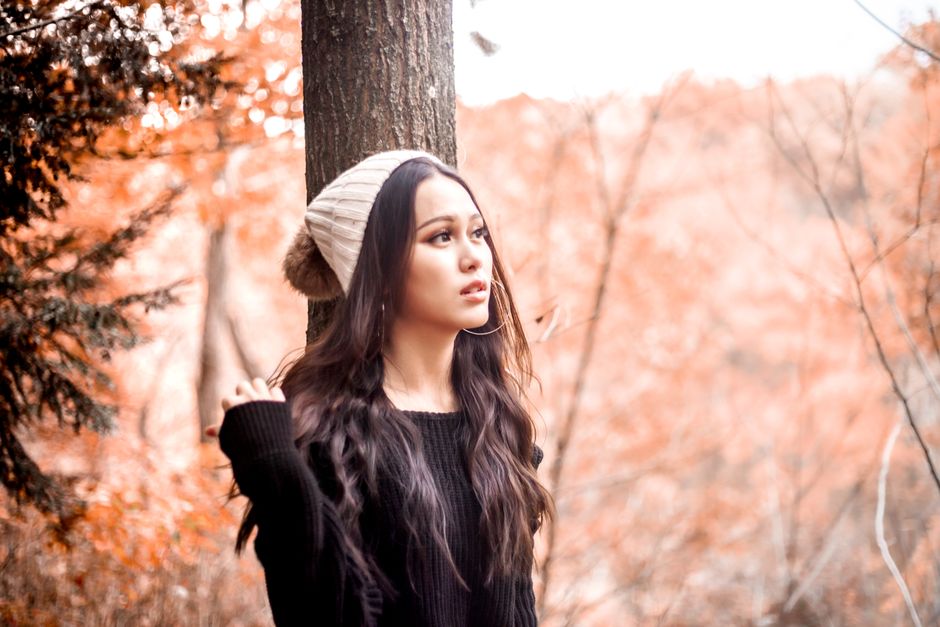
Choose long sleeve fall wedding guest dresses by starting with the invitation’s dress code, then matching length and fabric to the time, venue and local weather. For semi-formal events, a short or midi dress in an elevated fabric fits the guidance; formal occasions call for a below-knee or longer style. Add a removable layer and stable shoes for outdoor ground, then check that the dress moves comfortably.
What kind of long-sleeve dress is appropriate for a fall wedding?
The appropriate long-sleeve dress follows the invitation’s dress code, with the venue and ceremony start time helping when the invitation is silent. The Knot’s fall wedding guide recommends using those clues to judge formality. If the code remains unclear, Vogue advises guests to follow any host requirements and says it is acceptable to ask the host.
For semi-formal weddings, The Knot says women can wear short or midi dresses, with hems that do not graze the floor typical. Silk and chiffon are among its examples of elevated fabrics. That makes a long-sleeve midi a clear option when you want coverage without making the outfit read as floor-length formalwear.
Formal dress calls for a different balance. Vogue describes formal attire as generally suited to evening events and recommends dresses below the knee, with floor- or ankle-length options appropriate in some settings. Tulle, duchess satin and crepe de chine fit its traditional formal guidance; cotton-poplin and gauzy linen can appear too casual.
Use color and texture as supporting cues, not substitutes for the dress code. The Knot says lighter choices are typical for daytime, while darker tones and textures suit evening events. For a wider look at sleeve shapes and clean styling, see Minimalist Wedding Dresses With Sleeves: Comfort Meets Clean Style.
Should I wear a midi or maxi dress to a fall wedding?
A midi suits many semi-formal weddings, while a maxi fits best when the invitation and setting support a more formal look. The Knot’s semi-formal guidance describes short and midi dresses as typical and says hems usually do not graze the floor. Vogue places formal dresses below the knee, with floor- or ankle-length choices appropriate in some cases.
Length also changes how an outfit works across the venue. A shorter hem can be simpler to manage on grass or gravel; a long hem needs enough clearance to walk without catching on the ground. The sources do not specify ideal hem measurements, so use a fitting to check the actual shoes and surface planned for the event.
Choose by dress code first, then test the practical details. Sit, stand, take a full stride and climb a step if the venue has stairs. A midi that stays in place through those movements can be more useful than a longer dress that needs constant adjustment.
What fabric will keep me warm at an outdoor fall wedding without overheating indoors?
For an outdoor fall wedding, choose fabric based on local temperatures and bring a removable layer for the shift indoors. The Knot’s outdoor guide recommends checking local average temperatures and accounting for regional differences; cooler northern locations can call for sleeves and less-thin fabrics. The sources do not give temperature cutoffs, so the forecast and the event’s indoor-outdoor schedule matter more than a fixed calendar rule.
Lightweight fabrics such as silk or chiffon suit a semi-formal look, according to The Knot, while its fall guide names jacquard, brocade and wool blends as heavier choices. Velvet is described as insulating and suitable for late-season formal events. These distinctions support a simple seasonal progression: lighter fabric for a milder September day, more substantial texture for a cool late-October or November evening.
Indoor heat changes the equation. A heavy fabric can feel right during an outdoor ceremony and less comfortable once the reception moves inside. A removable wrap, shawl, dress coat, pashmina, stole or trench coat lets the outer layer do the warming, while the dress stays suited to the room.
Martha Stewart’s winter-wedding guide also recommends planning for temperature changes between outdoor and indoor parts of an event, using either a warm coat or several lighter layers. It cites a stylist’s suggestion of silk underwear as a heat-trapping layer that is not thick or bulky. That advice is from a winter guide, so treat it as a layering option rather than a fall-specific temperature rule.
Use this comparison to narrow the choice. The cost column is marked “not published” because the cited sources do not provide prices.
| Option | Who it suits | Cost | Key limitation |
|---|---|---|---|
| Short or midi dress in silk or chiffon | Semi-formal events; The Knot lists short and midi lengths and elevated fabrics. | not published | Less suited to cold conditions than heavier fabrics; no temperature threshold is published. |
| Velvet long-sleeve dress | Cool nights and late-season formal events, according to The Knot’s guides. | not published | Its heavier warmth can be less comfortable indoors; no indoor temperature guidance is published. |
| Jacquard, brocade or wool-blend dress | Guests seeking heavier fall fabrics, as listed by The Knot. | not published | Specific warmth ratings are not published. |
| Removable wrap, shawl or dress coat | Outdoor fall events with indoor-outdoor temperature changes. | not published | Specific sleeve-fit guidance is not published. |
Can I wear a velvet or satin long-sleeve dress to a cocktail or semi-formal wedding?
Yes, velvet or satin can work when the dress code, time and season support the fabric. The Knot identifies velvet as a heavier cold-weather texture and says darker tones and textures suit evening events. It also lists silk and chiffon as elevated semi-formal choices, so a lighter fabric may better suit a daytime event or a warmer part of fall.
Satin and silk offer an elegant option in The Knot’s fall guide, while Vogue lists duchess satin among fabrics for traditional formal settings. Fabric alone does not determine dress code. A satin midi can read differently from a floor-length formal gown, so check the invitation and the host’s stated requirements before settling on the silhouette.
For cocktail or semi-formal dress, keep the overall look aligned with the event rather than treating a rich fabric as permission to dress more formally. If the event is outdoors, include ground and temperature in the same decision: a long hem and delicate shoes can complicate a lawn setting, while a wrap can add warmth without changing the dress itself.
Before the wedding, try the full outfit and make four movements: sit, lift both arms, walk at a natural pace and turn as if dancing. Check whether the sleeve pulls, the neckline shifts, the skirt rides up or the hem catches underfoot. The cited sources do not publish a garment-fit checklist, but these checks reveal whether the outfit stays comfortable through the ceremony and reception.
Frequently Asked Questions
How can I stay warm at an outdoor ceremony without covering up my dress?
Bring a removable wrap, shawl or dress coat and wear it outdoors, then take it off indoors if the room is warmer. For extra warmth without a bulky layer, Martha Stewart’s winter-wedding guide cites a stylist’s suggestion of silk underwear.
What shoes work best with a long-sleeve dress at a wedding on grass or gravel?
Choose wedges, chunky or block heels, dress boots or dressy flats for more stability than thin stilettos on soft or uneven ground. If the outdoor conditions call for warmer shoes, bring a separate pair for the reception.
How do I choose a coat or wrap that won’t bunch up delicate or puff sleeves?
The cited guides recommend removable layers such as a pashmina, stole, shawl, tailored blazer or dress coat, but they do not publish sleeve-specific fit rules. Try the layer on over the dress and check that the sleeves sit smoothly and allow arm movement before the event.
Sources
Related guides
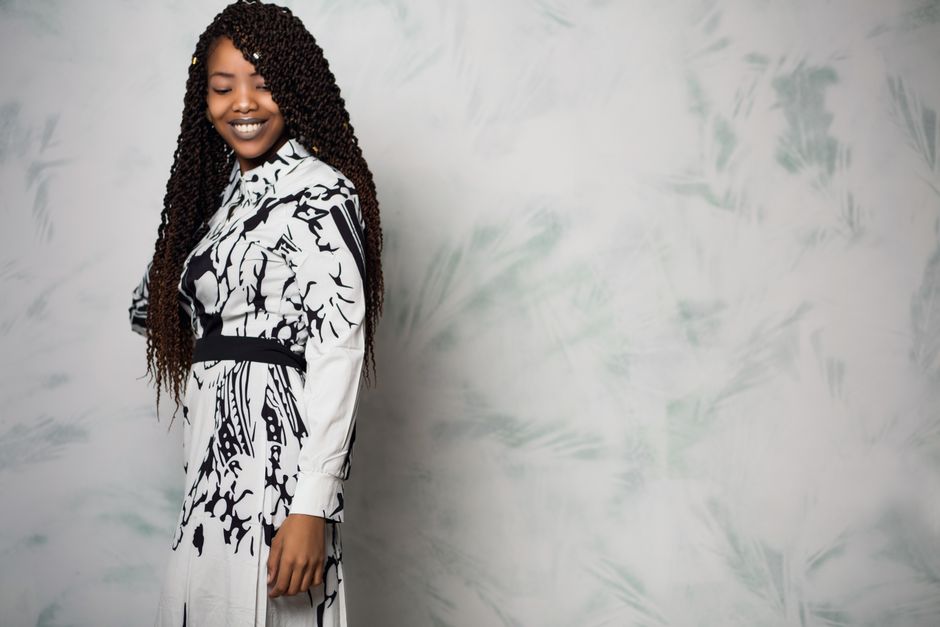
Is a Long Sleeve Maxi Dress Right for a Wedding?
A long sleeve maxi dress suits many weddings when its formality, fabric, color, and fit match the invitation, venue, and season.
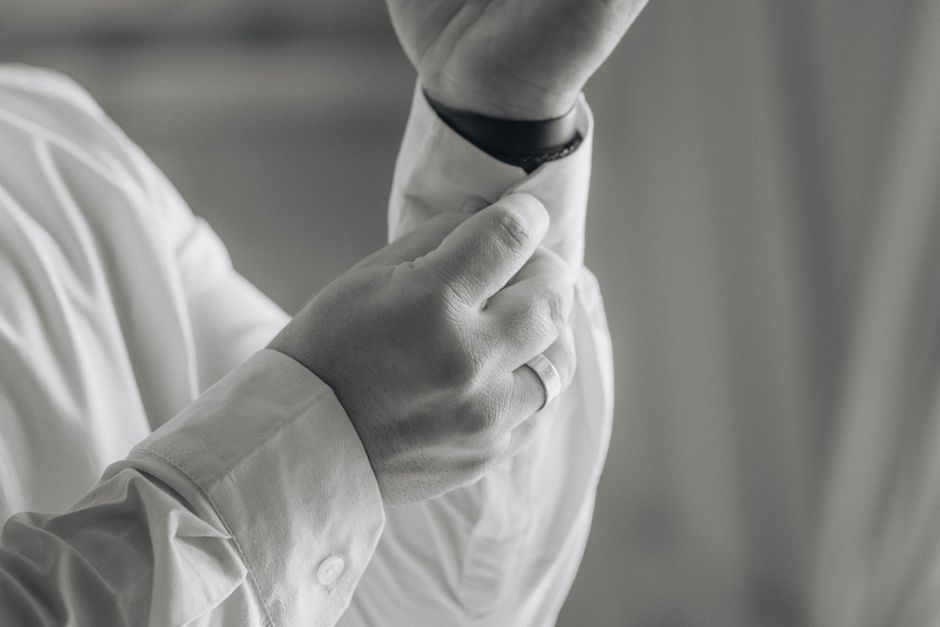
Minimalist Wedding Dresses With Sleeves: Comfort Meets Clean Style
Compare sleeve styles, fabric and fit to find a minimalist wedding dress with sleeves that suits your setting and lets you move comfortably.
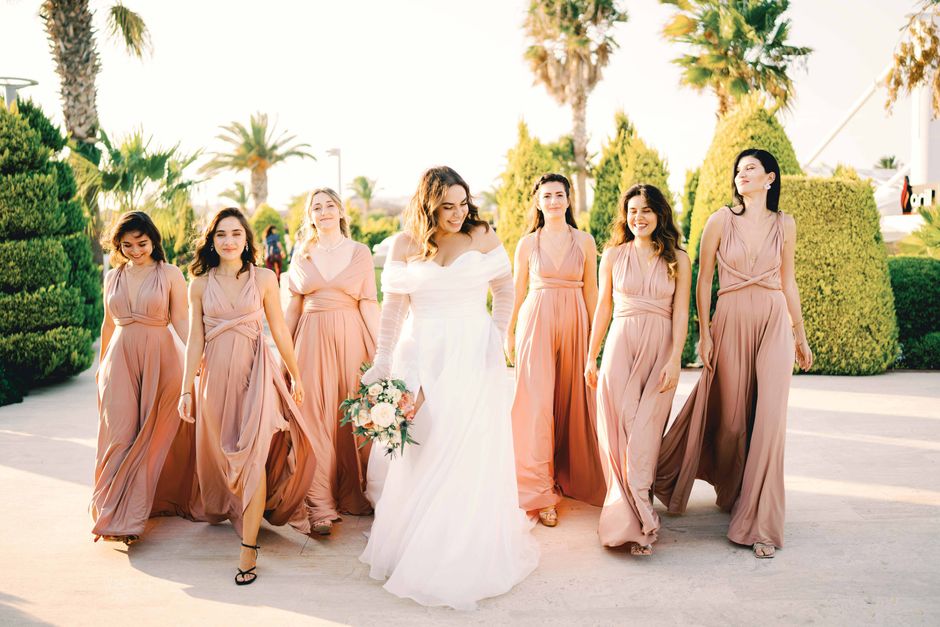
Black Bridesmaid Dresses With Sleeves: Find the Right Fit
Choose black bridesmaid dresses with sleeves by matching sleeve style, fit, fabric comfort, and formality to the wedding season.

Can I Take Protein Powder or Creatine With Chronic Kidney Disease?
Learn how to count protein powder, check supplement minerals, and understand how creatine can affect creatinine and eGFR results with CKD.